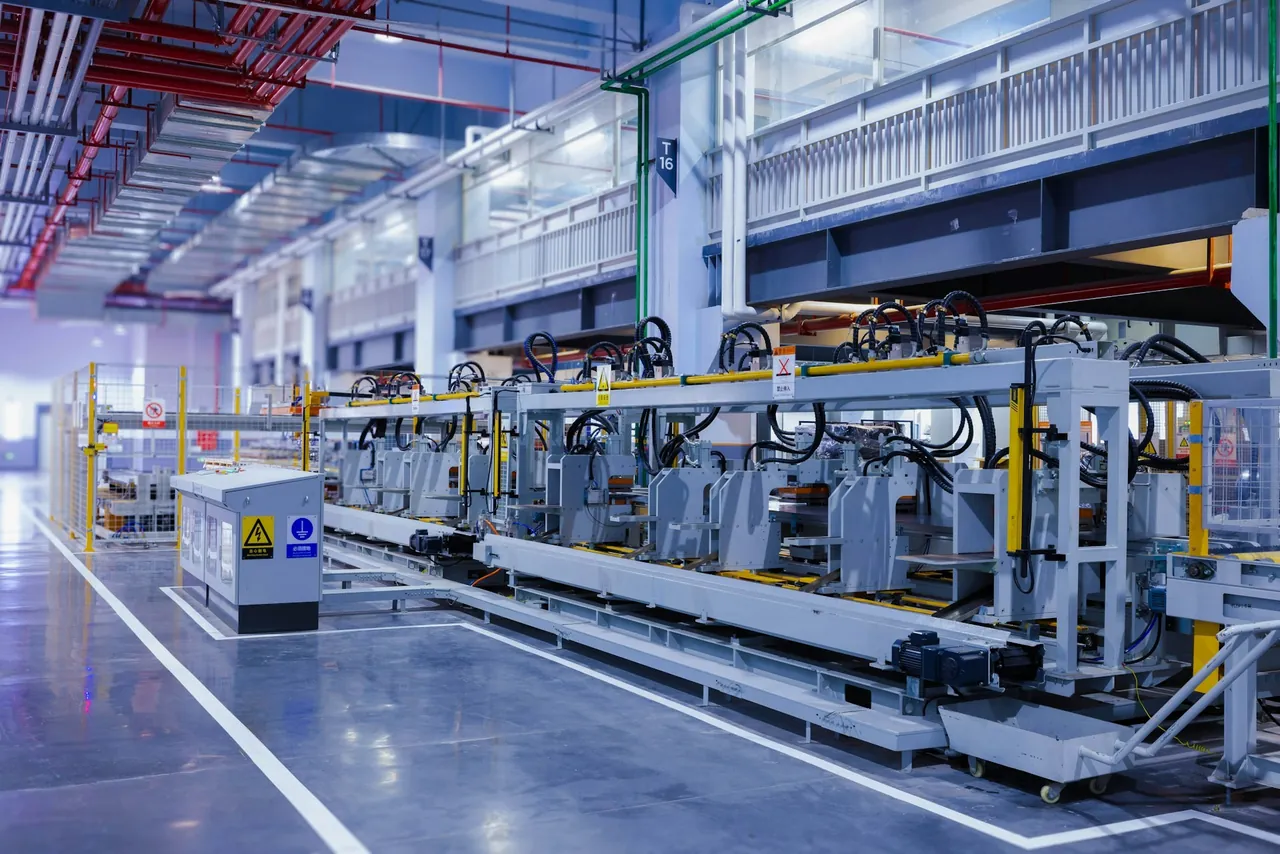
On paper, buying best-in-class machines from five different suppliers looks smart: pick the best maker, the best packer, the best wrapper, and assemble a dream line. In practice, the line isn't the machines. The line is the spaces between the machines, and that's exactly what no single vendor owns when you buy piecemeal.
The cost hides in the gaps
Each hand-off between two machines from two suppliers is a small negotiation that someone (usually you) has to broker:
- Speed mismatch. A 350-a-minute wrapper behind a 300-a-minute packer starves; the reverse backs up. Matching rates across vendors is your problem, not theirs.
- Interface ambiguity. Where one machine ends and the next begins (timing, transfer, controls) is a grey zone each supplier points at the other to explain.
- Format drift. Five machines that each handle "standard" packs slightly differently add up to a line that can't cleanly change format.
- Spares & service sprawl. Five parts catalogues, five service contracts, five lead times, five phone numbers at 2 a.m.
When a multi-vendor line stops, the first hour is spent deciding whose machine is at fault, not fixing it.
What a single engineering partner changes
When the same team designs and builds the making, packing, wrapping, cartoning, and bundling stages, the gaps stop being grey zones:
- The line is designed as a line. Speeds, transfers, and formats are matched on purpose, not reconciled after the fact.
- One owner for the whole chain. When something stops, there's no blame to apportion. There's one team responsible end to end.
- One spares relationship. One parts source, one service contact, one set of drawings for the whole line.
- Coherent change-over. Formats that move together because they were engineered together.
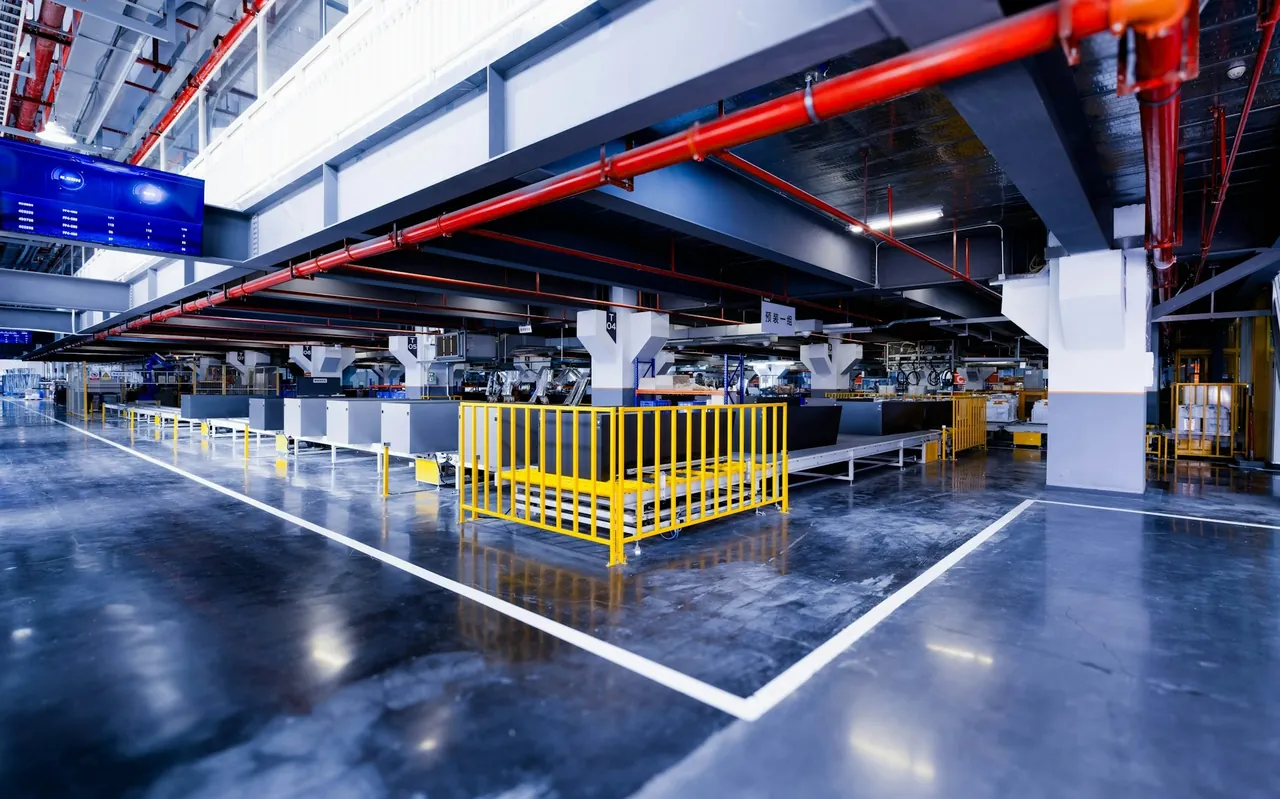
Where MOI fits
MOI Engineering builds across the chain (cigarette making and packing, high-speed wrapping, cartoning, and bundling), which means a production line can come from a single set of drawings, a single engineering team, and a single point of accountability. That's not about being the only name on every machine for its own sake; it's about removing the hand-offs that cost you uptime.
The honest caveat: best-of-breed has its place, and a single partner has to be genuinely good across the chain to be worth it. But for most manufacturers, the line that runs is worth more than the line that looks best on a comparison sheet. And the line that runs is usually the one that was designed as a whole.