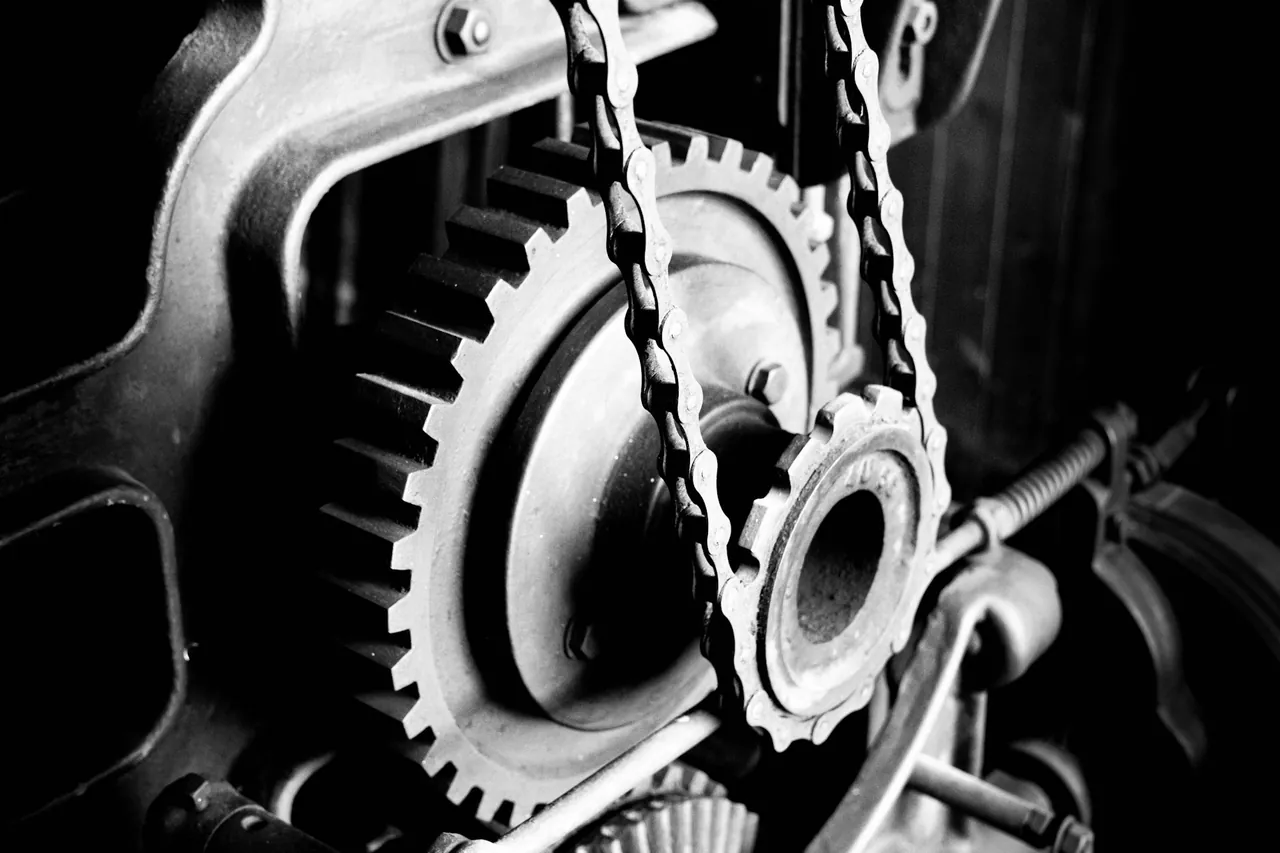
Plenty of companies print a founding year on the wall. Far fewer can point to the same drawings, the same patterns, and the same hands behind the year. The difference matters most on the day a machine you bought decades ago needs a part, and there's still someone who knows exactly how it was made.
For MOI Engineering, "since 1960" isn't a slogan. It's an unbroken line of precision-machinery engineering in India. That continuity is the product.
An unbroken line
The engineering line traces back to 1960, building cigarette-making and packaging machinery in India. Over the decades the company evolved: new divisions, new product lines, and, by 1980, full Indian ownership. What never broke was the engineering: the drawings, the patterns, and the people who knew them carried forward.
In recent years, MOI Engineering Private Limited took custody of that legacy, acquiring the complete IP, the designs, the patterns, and the MOI Engineering trademark, and bringing the engineering team along with them. Same designs, same patterns, same hands, now supplying spares and new machines to original and new clients alike.
Six decades of drawings aren't an archive on a shelf. They're what comes off the shop floor every week.
Why continuity is worth paying for
An unbroken engineering line isn't nostalgia. It's a set of very practical guarantees:
- Parts that still exist. When the original drawings and patterns survive, a part made forty years ago can be made again: properly, to the original intent.
- Knowledge that didn't retire. The people who designed and built these machines stayed on. Decades of know-how, intact, instead of reverse-engineered guesswork.
- Machines built to last. Equipment from this line was engineered to run for decades. It is still running, in factories across more than fifty countries.
- The same hands, new and old. A new machine and a spare for a legacy one come off the same drawings, built by the same shop.
What it means for you
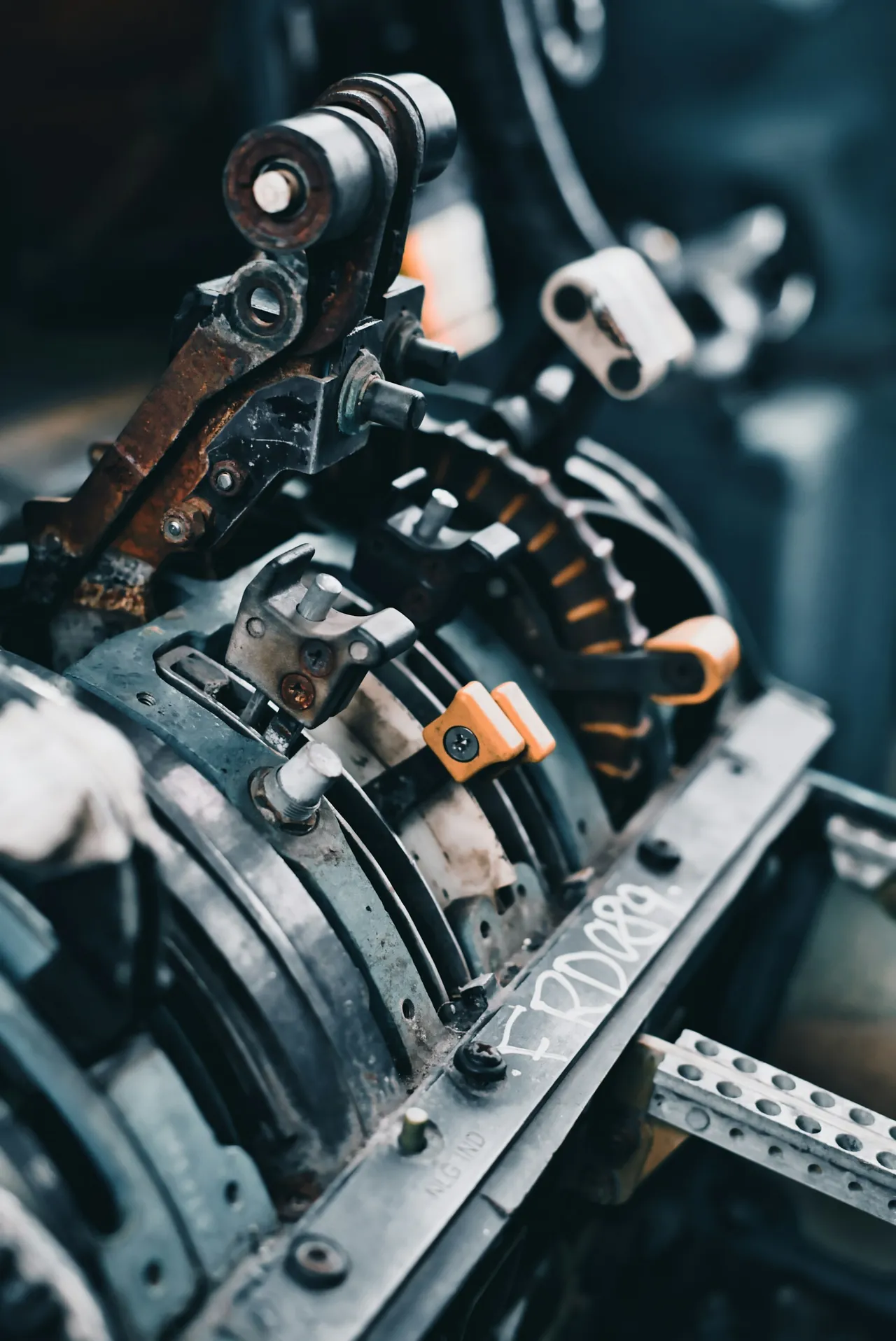
If you run a machine from this line, continuity means you're not alone with it. A worn part isn't the end of the machine. It's a drawing we still hold and a part we can still make. If you're buying new, it means the machine you take delivery of is backed by sixty-plus years of refinement, not a first attempt.
That's the real meaning of "built since 1960": not a date, but a promise that the engineering behind your machine never went quiet, and still answers the phone.