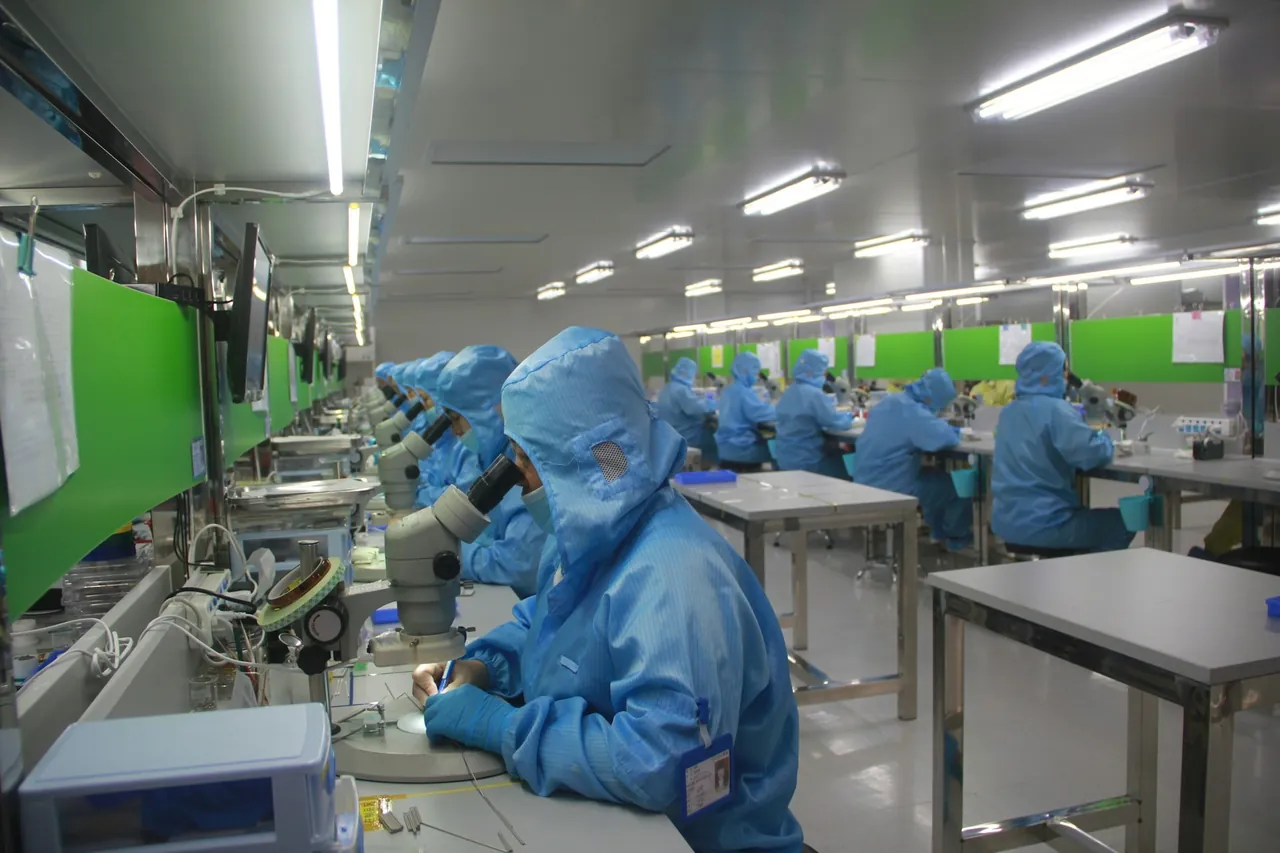
An empty two-piece hard-gelatin capsule looks trivial. Making it is anything but. Each capsule is dipped from molten gelatin onto precision pins, dried under controlled heat and humidity, stripped, trimmed, and joined cap-to-body. A production machine does this continuously, to a tolerance the eye can't see. The ACM-XFH 1050 is MOI Engineering's high-capacity machine for exactly this, producing up to roughly 1.8 million capsules a day.
How a capsule is actually made
The empty hard capsule you swallow without a second thought is the product of a tightly choreographed sequence:
- Dipping. Pairs of stainless pins are dipped into temperature-controlled gelatin so a precise film forms on each.
- Drying. The pins travel through controlled-climate drying so the gelatin sets to the right moisture and strength.
- Stripping & trimming. The formed halves are stripped from the pins and trimmed to length.
- Joining. Cap and body are brought together to the correct closed length, ready for inspection and filling.
Get the gelatin temperature, the pin geometry, or the drying climate slightly wrong, and you get capsules that split, stick, or won't telescope shut. Consistency is the whole game.
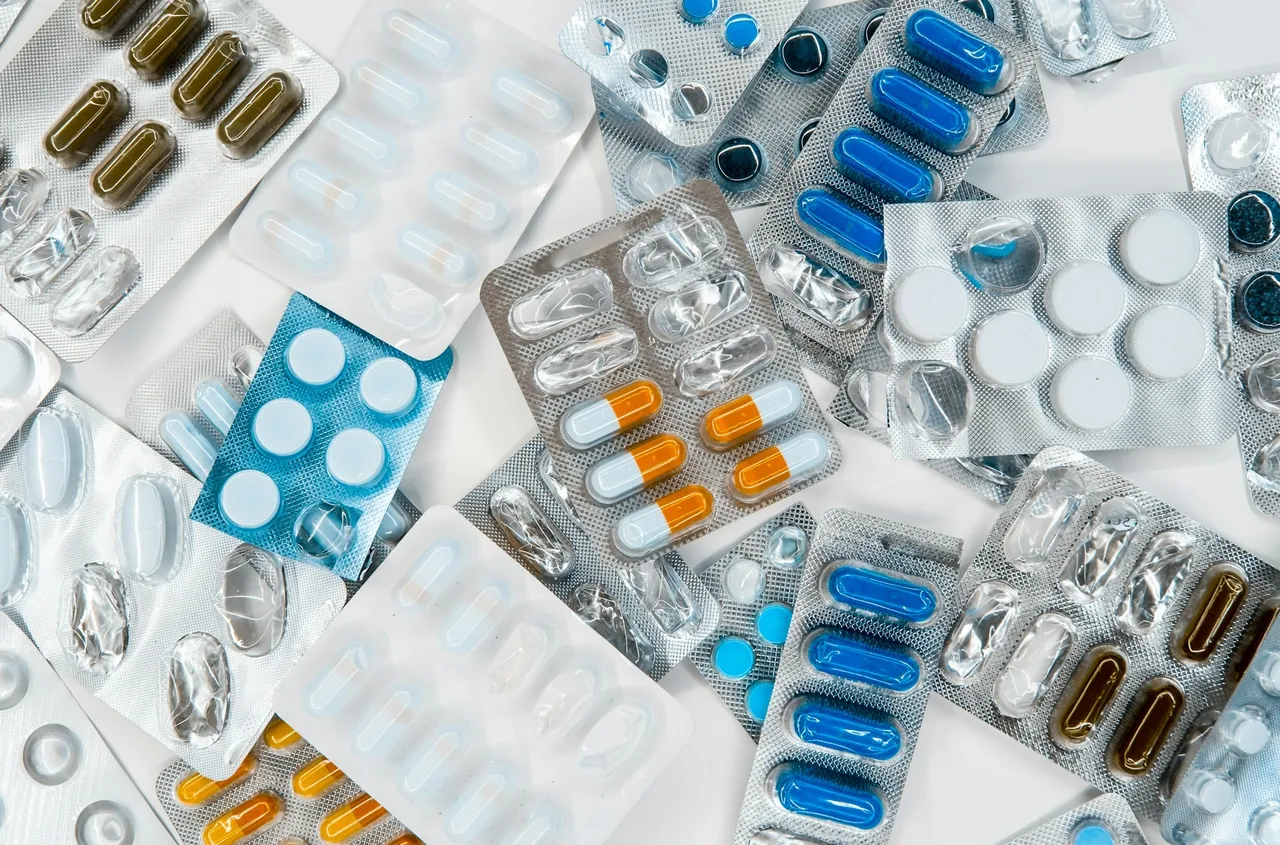
The numbers that matter
| Daily output | Up to ~1.8 million capsules |
|---|---|
| Production speed | 35–40 pin bars/min (dry run) |
| Capsule sizes | Two-piece hard gelatin: 0, 1, 2, 3 & 4 |
| Build standard | cGMP · SS-316 dipping pans |
| Gelatin holding | 12 litres per pan |
| Drive | Hydraulic, PLC-controlled power pack |
| Control | PLC with touchscreen HMI |
| Footprint | 16.8 m (L) × 1.6 m (W) × 1.7 m (H) · approx. 13,500 kg |
| Expected life | ~30 years under proper maintenance |
Two figures tell the story. The 16.8-metre length is the drying line. Capsule quality is made in that controlled travel, not in a single station. And the ~30-year expected life is the reason this is a capital decision, not a consumable one.
Why GMP and stainless aren't optional
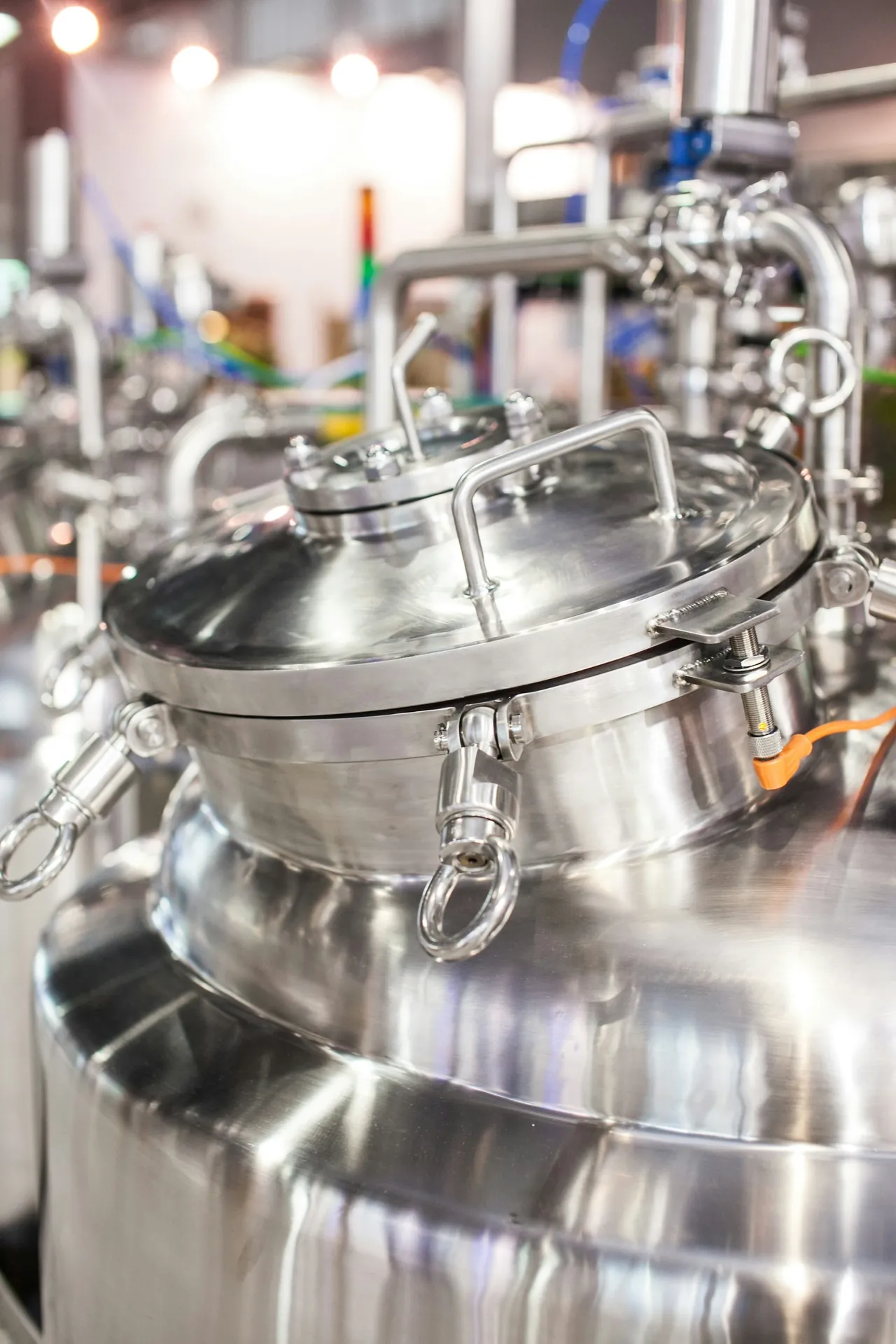
Capsules are a primary contact material: what they're made on matters. The ACM-XFH 1050 is built to cGMP with SS-316 stainless dipping pans because the surfaces that touch gelatin have to be cleanable, corrosion-resistant, and validated. That's not a marketing line; it's the difference between a machine a pharmaceutical manufacturer can actually qualify and one they can't.
Specifying capacity
Sizing a capsule machine is a capacity-planning exercise, not just a speed number. The right questions are: what daily volume do you actually need, across which capsule sizes, with what room for growth, and what utilities and clean-room space can you give a 16.8-metre machine? Answer those, and the configuration follows. With a ~30-year service life, getting the spec right at the start pays back for decades.